
Acesso livre e aberto a dados de biodiversidade
 3 000 000 000Registos de ocorrências
 100 000Conjuntos de dados
 2400Instituições publicadoras
 12 000Artigos revistos utilizando dados
O que é o GBIF?

O GBIF — Sistema Global de Informação sobre Biodiversidade — é uma rede internacional e infraestrutura de dados financiada por governos de todo o mundo, para dar a qualquer pessoa, em qualquer lugar, acesso aberto a dados sobre toda a vida na Terra.
Notícias


Data Use Club practical session: DNA sequence searching on the new GBIF.org


Uso de dados
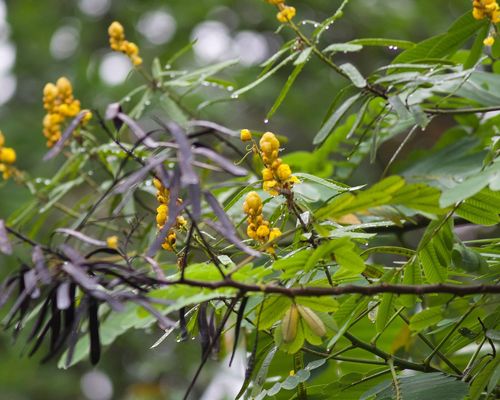
Alterações climáticas
artigos revistos utilizando dados
Biodiversity loss and climate change interact in many ways, reflecting two sides of the same problem: humanity’s unsustainable relationship with the natural world. Explore the research relying on data from the GBIF network to understand and assess the growing impact that changing temperatures, precipitation and other climate-related phenomena are having on biodiversity.

Espécies exóticas invasoras
artigos revistos utilizando dados
Information is the single most important variable necessary to support research, monitoring and management of alien and invasive species. From identifying and predicting potential invasions to improving management applications, detection strategies, and risk assessments, GBIF plays a pivotal role in fulfilling data needs about these costly and disruptive forces of change.
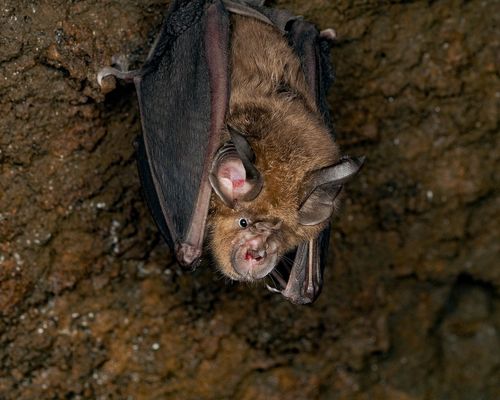
Saúde humana
artigos revistos utilizando dados
Knowing where the species that transmit disease-causing pathogens occur is important for recognizing, managing and preventing potential threats to human communities. Data shared through the GBIF network enables scientists and researchers to map the wild host, vector and reservoir species involved in cycles of disease transmission and how their distributions are changing.

IUCN Red List of Threatened Species™
species assessments citing GBIF
GBIF-mediated data is used for mapping species distributions and for calculating Area of Occupancy (AOO) and Extent of Occurrence, measures key to assessing threat level and categorizing species on the Red List.
Thematic communities
GBIF's data, infrastructure and services support cross-disciplinary research, creating new opportunities for evidence-based science and decision-making. With guidance from the GBIF Science Committee, we monitor signals from who's sharing and using data to pursue strategic opportunities with impact, continuously seeking to improve the quality, relevance and utility of biodiversity data for a wide array of communities across science, technology and policy.
Programas e projetos
Hosted portals
75Hosted portals
GBIF hosted portals offer simple, customizable websites that support biodiversity data use and engagement at national, institutional, regional and thematic scales. This service, which Participant nodes and their partners can apply to anytime, lowers the technical demands for delivering relevant biodiversity data to communities around the world.

Informação sobre Biodiversidade para o Desenvolvimento (BID)
projectos
Financiado pela União Europeia e liderado pelo GBIF, o BID: Informação sobre Biodiversidade para o Desenvolvimento é um programa pluri-anual para aumentar a disponibilidade e uso de informação sobre biodiversidade para a investigação científica e tomada de decisão nas nações ‘ACP’ da África Subsariana, Caraíbas e Pacífico.
Fundo de Informação de Biodiversidade para a Ásia (BIFA)
projectos
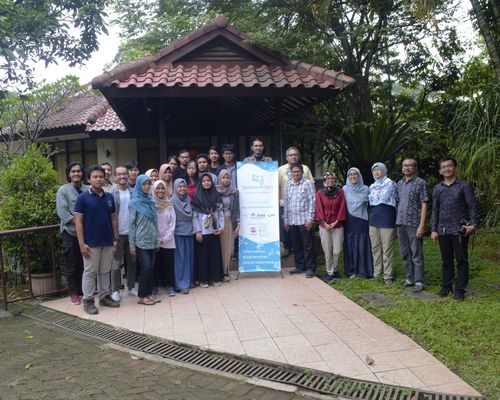
BIFA—the Biodiversity Information Fund for Asia—provides supplementary support for existing activities within the GBIF network, addressing the needs of regional researchers and policymakers through mobilization and use of biodiversity data. The programme is the outcome of a contribution from the Ministry of the Environment, Government of Japan, earmarked for activities in Asia.
Programa de Suporte ao Aumento de Capacitação (CESP)
projectos
This programme aims to address specific capacity needs identified by GBIF Participants by facilitating collaboration at regional and global levels, providing co-funding for capacity enhancement projects based on combinations of mentoring activities, regional training workshops and documentation.
Northern Eurasia
projectos
Starting in 2018, the Finnish Biodiversity Information Facility (FinBIF), the GBIF national node for Finland, has provided funding directed toward support of projects that mobilize biodiversity data and promote national training and capacity-building activities around data publishing in the region.
Recursos e documentação

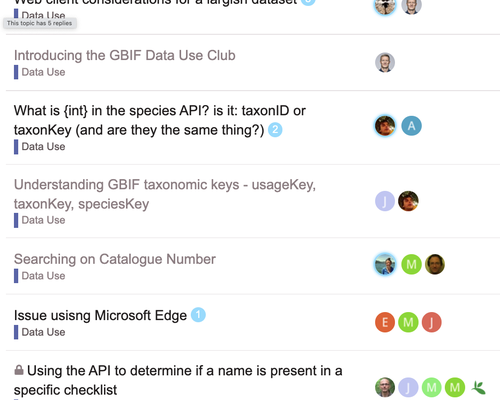
Sítio da comunidade GBIF
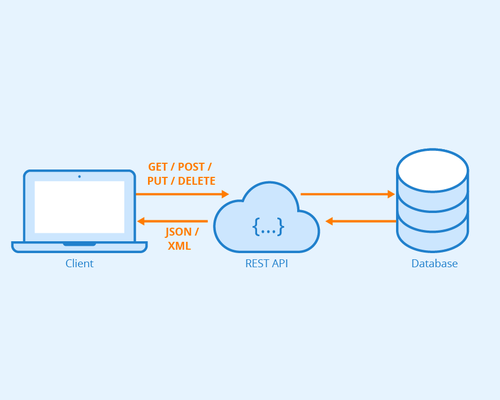
Join the conversation and get answers to data use related questions
