


什麼是 GBIF?

全球生物多樣性資訊機構,簡稱 GBIF,是一個由全球政府資助而成立的跨國合作網絡及研究基礎建設,成立宗旨在於提供大眾無論何時、何地均能公開且自由存取的、各種地球上的生物資料。
新聞


資料使用
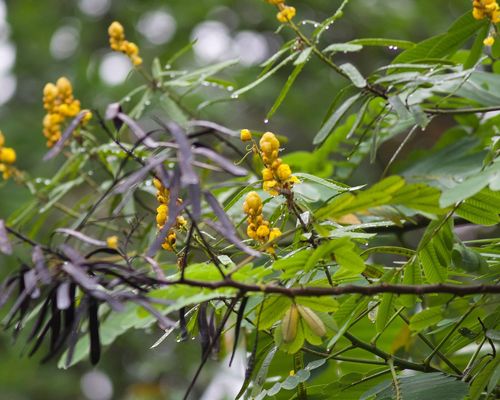
氣候變遷
使用資料的同儕審查論文
Biodiversity loss and climate change interact in many ways, reflecting two sides of the same problem: humanity’s unsustainable relationship with the natural world. Explore the research relying on data from the GBIF network to understand and assess the growing impact that changing temperatures, precipitation and other climate-related phenomena are having on biodiversity.

外來入侵物種
使用資料的同儕審查論文
Information is the single most important variable necessary to support research, monitoring and management of alien and invasive species. From identifying and predicting potential invasions to improving management applications, detection strategies, and risk assessments, GBIF plays a pivotal role in fulfilling data needs about these costly and disruptive forces of change.
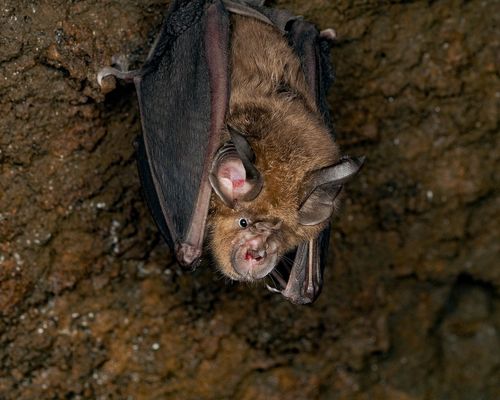
人類健康
使用資料的同儕審查論文
Knowing where the species that transmit disease-causing pathogens occur is important for recognizing, managing and preventing potential threats to human communities. Data shared through the GBIF network enables scientists and researchers to map the wild host, vector and reservoir species involved in cycles of disease transmission and how their distributions are changing.

Thematic communities
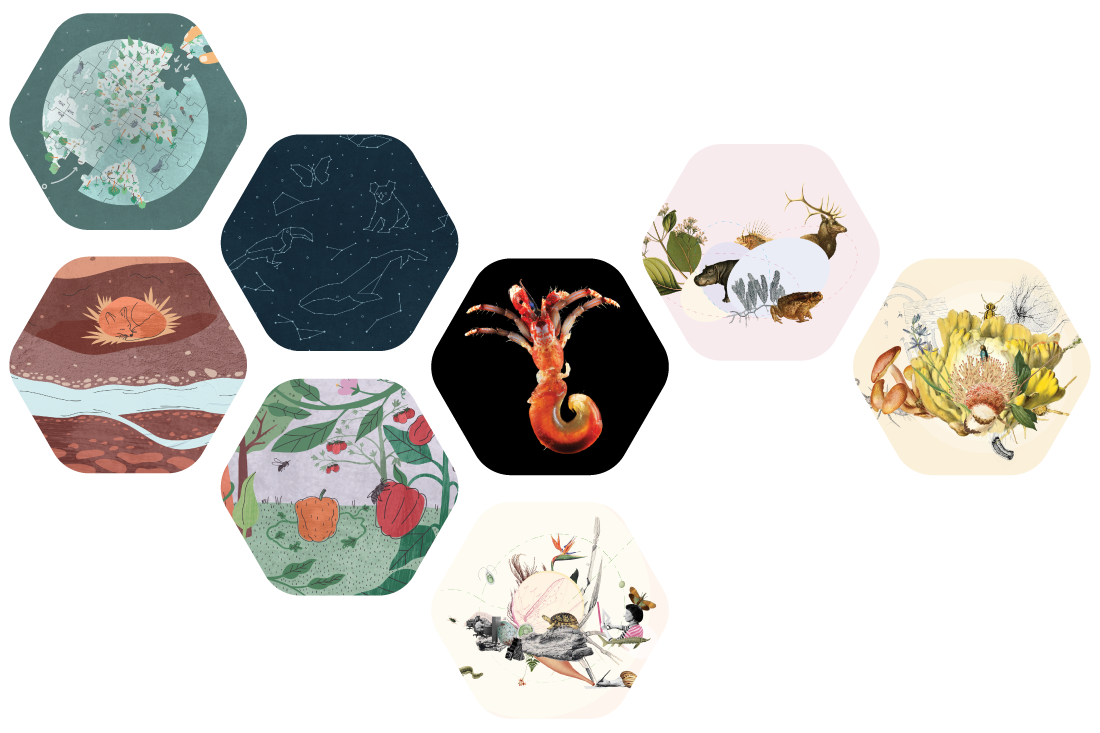
GBIF's data, infrastructure and services support cross-disciplinary research, creating new opportunities for evidence-based science and decision-making. With guidance from the GBIF Science Committee, we monitor signals from who's sharing and using data to pursue strategic opportunities with impact, continuously seeking to improve the quality, relevance and utility of biodiversity data for a wide array of communities across science, technology and policy.
計畫與專案
Hosted portals
72Hosted portals
GBIF hosted portals offer simple, customizable websites that support biodiversity data use and engagement at national, institutional, regional and thematic scales. This service, which Participant nodes and their partners can apply to anytime, lowers the technical demands for delivering relevant biodiversity data to communities around the world.

亞洲生物多樣性資訊基金(BIFA)
專案
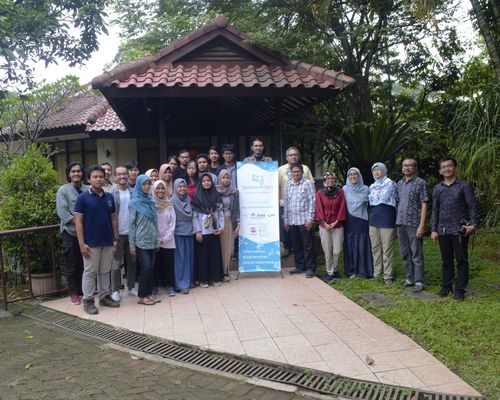
BIFA—the Biodiversity Information Fund for Asia—provides supplementary support for existing activities within the GBIF network, addressing the needs of regional researchers and policymakers through mobilization and use of biodiversity data. The programme is the outcome of a contribution from the Ministry of the Environment, Government of Japan, earmarked for activities in Asia.

能力提升支援計畫(CESP)
專案
This programme aims to address specific capacity needs identified by GBIF Participants by facilitating collaboration at regional and global levels, providing co-funding for capacity enhancement projects based on combinations of mentoring activities, regional training workshops and documentation.

北歐亞大陸
專案
Starting in 2018, the Finnish Biodiversity Information Facility (FinBIF), the GBIF national node for Finland, has provided funding directed toward support of projects that mobilize biodiversity data and promote national training and capacity-building activities around data publishing in the region.
資源和文檔

GBIF 社群網站
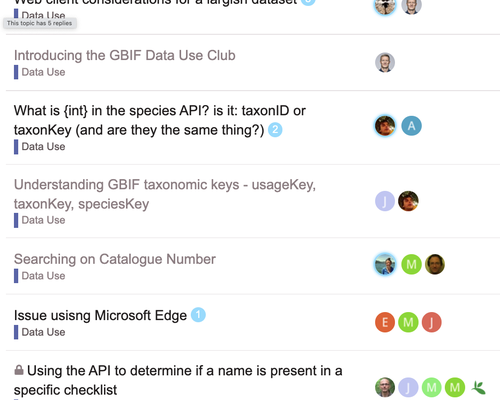
Join the conversation and get answers to data use related questions
